RESIN BONDED GRAVEL

Durable, Textured Surfacing

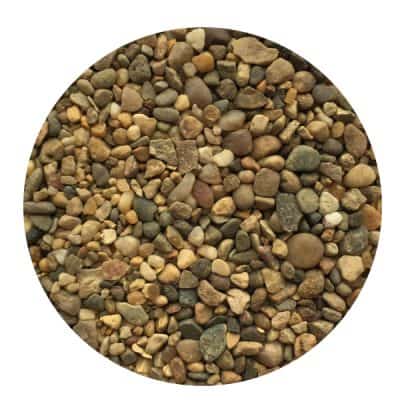
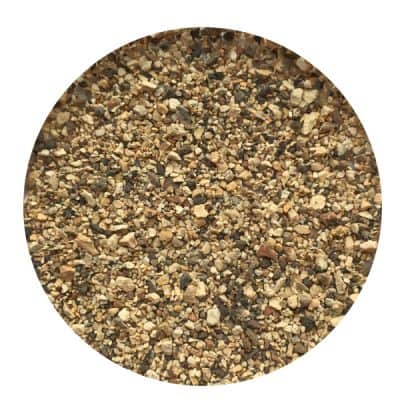
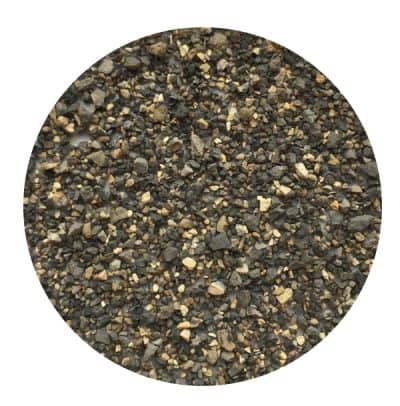
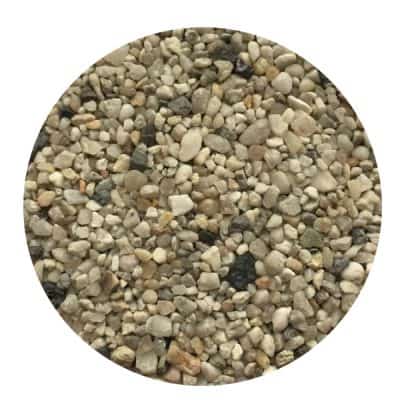
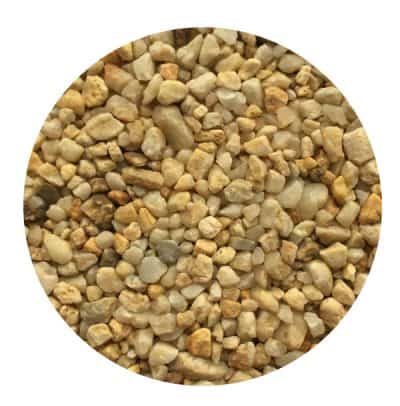
Resin Bonded Gravel is a hard wearing decorative surface with a textured finish. Bonded gravel is not porous, meaning water doesn’t drain through and the rough texture gives the surface a natural effect. Bonded gravel is applied by scattering stone gravel onto a resin base. The gravel aggregate is available in a range of colours which can be used to match existing exterior features.

RESIN BONDED GRAVEL SURFACING

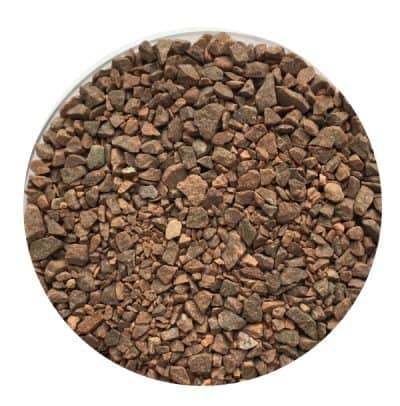
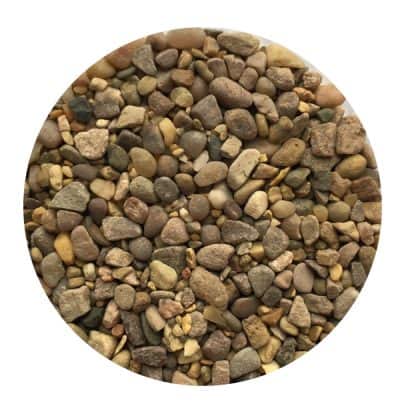
Autumn Quartz
Black Granite
Brittany Bronze
Chinese Buff Bauxite
Chinese Grey Bauxite
Danish Quartz
Green Granite
Red Granite
Staffordshire Pink
Sterling Grey
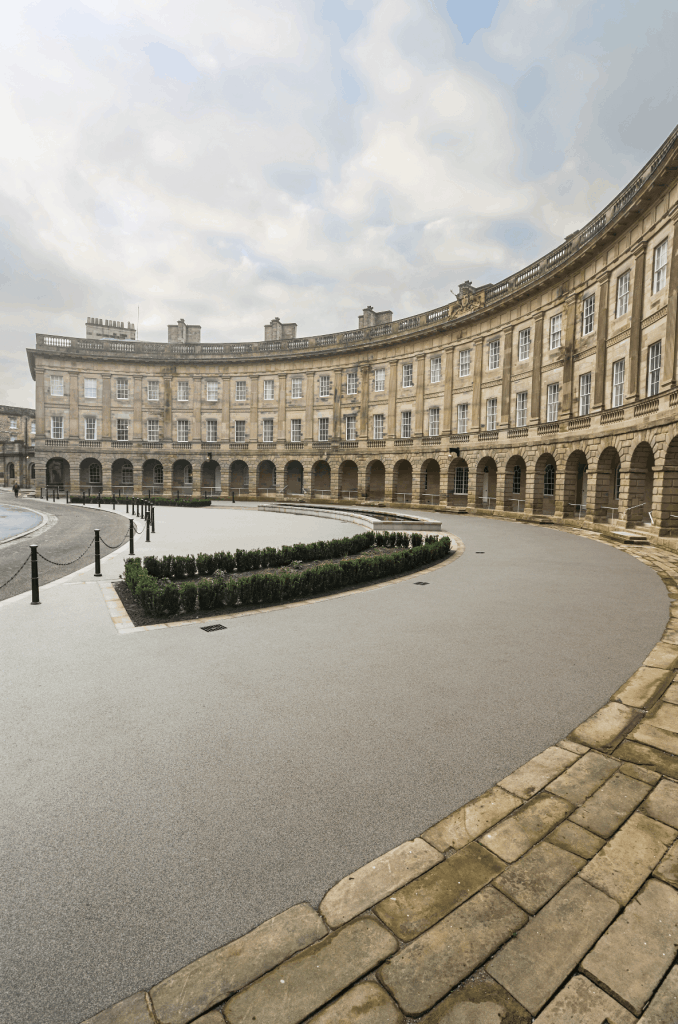
Surface Type :Resin Bound Gravel, Resin Bonded Gravel
Location : Peak District
DCM Surfaces was proud to be a part of the refurbishment of Buxton Crescent, a Grade 1 listed building in the heart of the Peak…
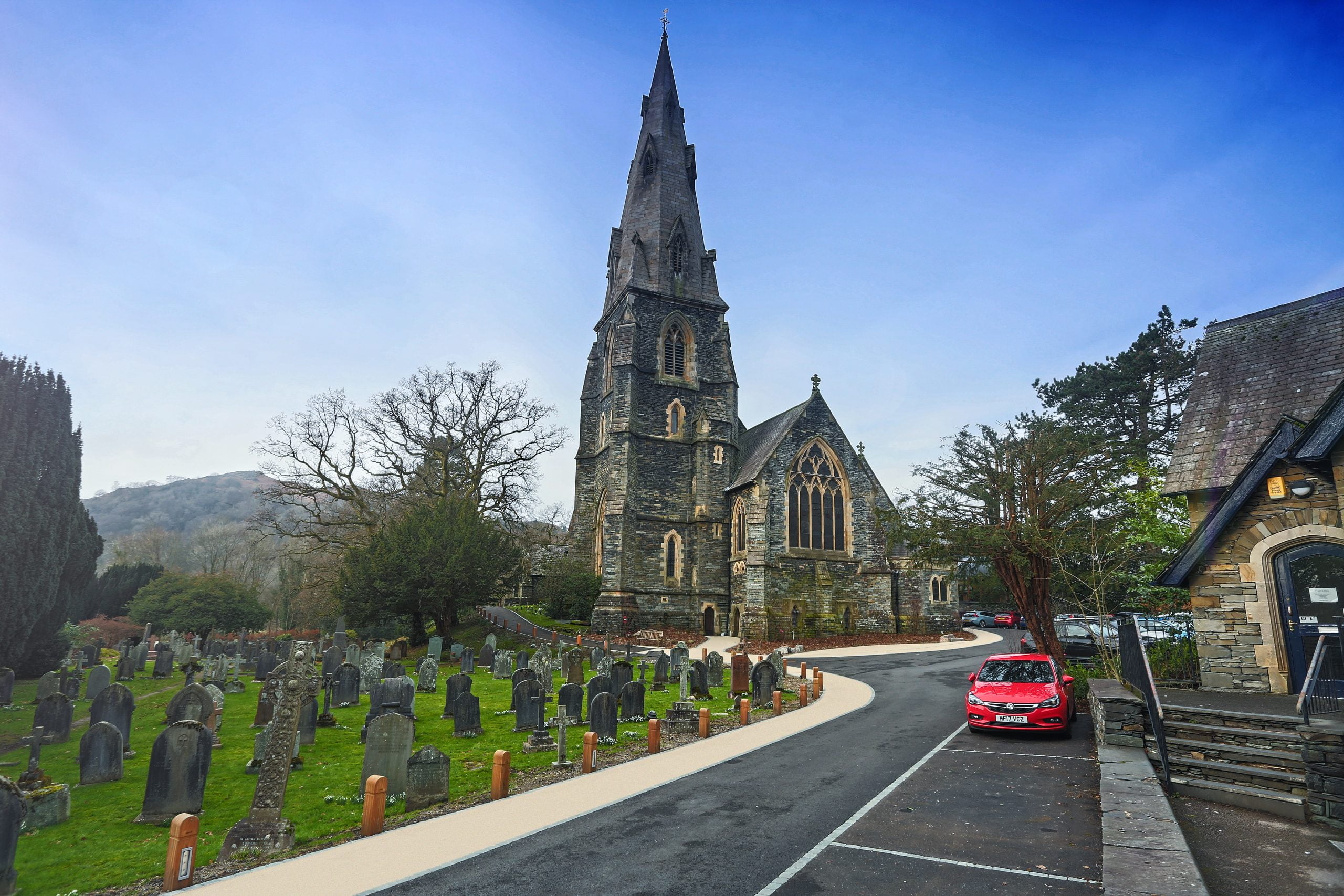
Surface Type :Resin Bonded Gravel
Location : Ambleside, Cumbria
DCM Surfaces installed Peal Quartz Resin Bonded Gravel to give a refined and high quality finish to the church grounds….
Surface Type :Resin Bonded Gravel
Location : Morecambe
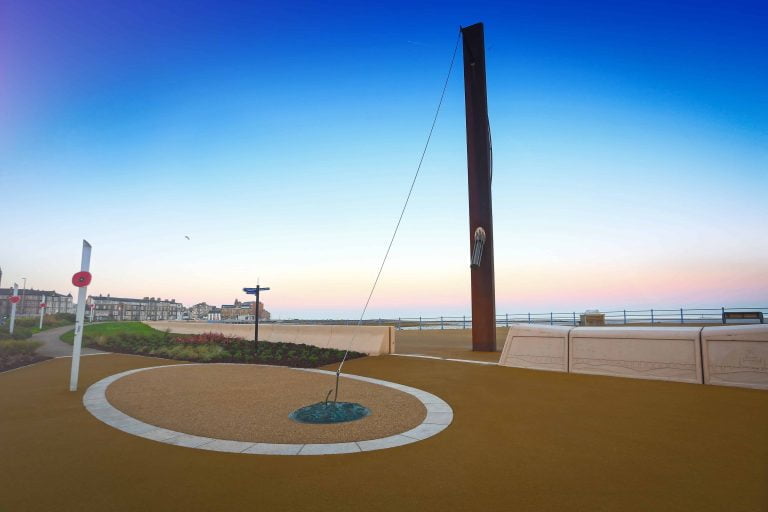
DCM Surfaces were part of the renovation of Morecambe Bay’s promenade, following the replacement of the Wave reflection wall, to prevent high tides from breaching…

Wetpour is most often installed onto a prepared hard surface, such as stone (MOT) or macadam. The sub-base should be dry, level and compact all over, and any deviations should be such that when a 3m long straight edge is placed in any position on the surface, the gap between the straight edge and the surface shall at no point be greater than +/-6mm.

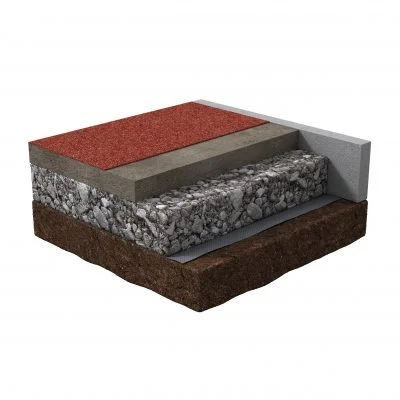
Bonded Gravel onto Concrete

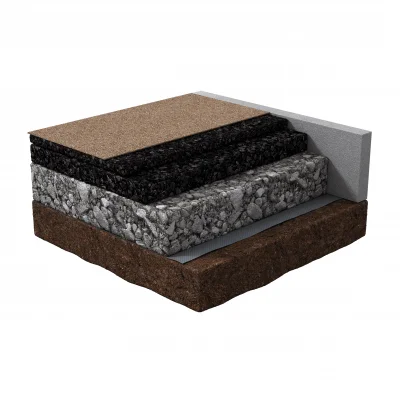
Bonded Gravel onto Tarmac

What is the difference between resin bound gravel and bonded gravel?
Bound gravel has a smooth texture and is porous, whereas bonded gravel has a rough texture and is not porous.
All debris should be removed by brushing or using a leaf blower. Moss and weeds should also be removed from the surface.
Resin bounded gravel is to be installed onto a minimum of 50mm AC14 open texture binder course.
The stone aggregate and resin are extremely hard-wearing, so vehicles can be driven on the surface. However, there may be a required depth that the surface must be laid to, depending on what the surface is going to be used for.
A 1-3mm or 2-5mm aggregate is the most popular size used for a driveway, terrace or path, ensuring the internal build-up of the surfacing is a tight, well-bound mixture, with the right amount of cavitation for permeability. We recommend a minimum depth of 20mm for a driveway and a minimum depth of 16mm for a path or terrace.
The resin bound surfacing has cavitation with the mixture, so water will run through the surface and back into the ground. This prevents the water from pooling on top of the surface, causing a freezing problem. Again, due to the cavitation with the mixture, the resin bound surface will remain cooler than asphalt or concrete during extreme heat due to air circulating through it.
The air temperature should be a minimum of 5 degrees and the surface temperature should be a minimum of 3 degrees above dew point (the temperature at which condensations forms).